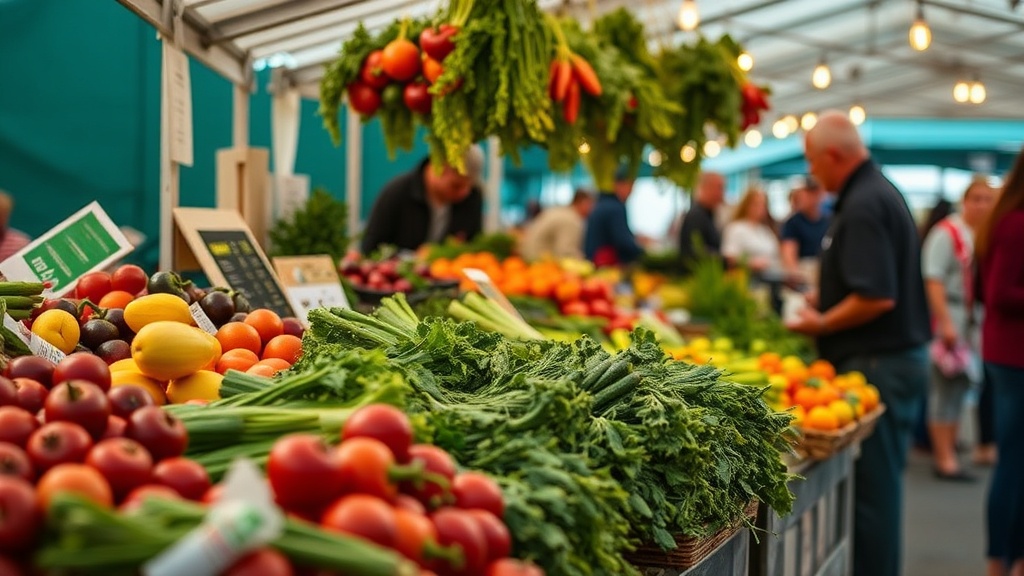
Finding the Best Local Harvest at Collingwood Farmers' Markets

Quick Tip
Arrive early in the morning to secure the best selection of seasonal produce and unique artisan goods.
Ever wonder why some produce looks better in person than in the grocery store aisle? This post covers how to shop the Collingwood and Blue Mountains farmers' markets like a pro to get the freshest seasonal produce. You'll find tips on timing, what to look for, and how to support our local growers.
When is the best time to shop the Collingwood Farmers' Market?
The best time to shop is early in the morning right when the market opens to secure the most diverse selection of produce. Most local markets in the Simcoe County area operate on specific seasonal schedules—usually starting in late spring and running through the autumn. If you arrive too late, you might find the most popular items, like organic heirloom tomatoes or local honey, are already sold out.
It’s worth noting that some vendors may arrive slightly later than others. If you're looking for specific artisan goods, a mid-morning stroll is often more relaxed. However, if you want the absolute best pickings, get there early.
How much does local produce cost compared to grocery stores?
Prices for local produce vary based on the season and the specific crop, but you'll often find better value when buying in bulk or buying what's currently in peak season. While a single pint of berries might seem higher than a large tub from a big-box retailer, the quality and shelf life are usually much better. You aren't just paying for the food; you're paying for the lack of transport time.
To help you plan your budget, here is a quick look at what to expect during peak seasons:
| Season | Typical Produce | Best For... |
|---|---|---|
| Spring | Asparagus, Radishes, Greens | Light, fresh salads |
| Summer | Berries, Stone Fruit, Tomatoes | Summer BBQs and desserts |
| Autumn | Apples, Squash, Root Vegetables | Hearty stews and baking |
Check the Ontario Ministry of Agriculture, Food and Rural Affairs for more information on food safety standards if you're curious about how local produce is regulated. It's a great resource for understanding the high standards our local farmers maintain.
What should I bring to the market?
Always bring reusable bags and a bit of extra cash for the best experience. While many vendors now accept debit or credit, some smaller-scale growers—especially those selling small-batch items—might still prefer cash or e-transfers. (Trust me, you don't want to be the person holding a heavy bag of peaches with no way to pay!)
A few things to keep in hand:
- Reusable canvas bags: For heavy items like potatoes or squash.
- Small insulated cooler bag: To keep your dairy and eggs cold while you finish browsing.
- Cash: For those one-off finds from vendors who are cash-only.
If you're planning a full day of exploring the area, you might want to pair your market trip with a visit to one of the scenic coffee stops nearby to grab a latte before you start your shopping. It makes the whole morning feel like a proper local outing.
Don't forget to check the Wikipedia entry on farmers' markets if you want to learn more about the history and economic impact these markets have on small-town Ontario communities. They are more than just places to buy food; they are the heart of our local food system.