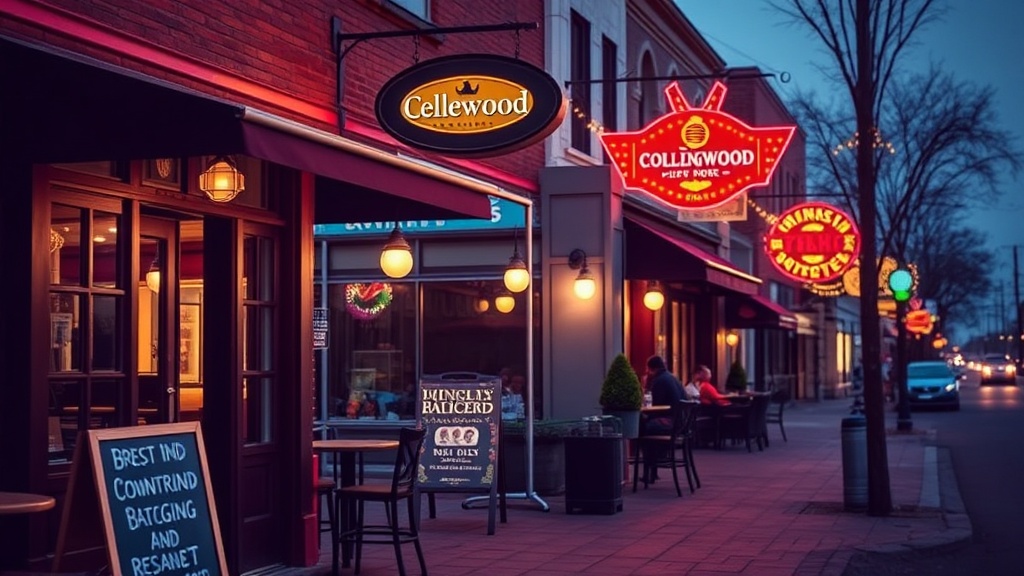
Hidden Gems and Local Favorites in Downtown Collingwood

What makes downtown Collingwood worth exploring beyond the main strip?
Downtown Collingwood rewards those who look closer. Beyond the obvious Hurontario Street storefronts lies a compact district packed with independent shops, neighborhood bakeries, and quiet corners most visitors miss entirely. This guide maps the spots locals actually frequent—places where baristas remember your order, where produce comes from farms you can name, and where the building histories matter as much as the menus. Whether you're a weekend visitor from Toronto or a new resident figuring out where to buy bread, these recommendations will save time and point toward experiences worth having.
Where can you find the best locally roasted coffee in Collingwood?
Ashanti Coffee Roasters on Second Street supplies the answer. The beans arrive green from ethical sources in Ethiopia, Guatemala, and Peru, then roast in small batches behind the café. The result tastes noticeably fresher than wholesale alternatives served elsewhere.
The space itself deserves mention. High ceilings, exposed brick, and long communal tables make it practical for laptop work or casual meetings. The staff—many of whom have worked there for years—know the difference between a flat white and a latte without being asked. That said, the real draw happens before dawn when the roaster fires up. The smell drifts down the street. Regulars time their morning walks to catch it.
The menu stays simple: espresso drinks, pour-over options, and a small selection of baked goods from nearby Cranberry Creek Bakery. No elaborate smoothie bowls. No avocado toast sculptural art. Just coffee treated seriously at fair prices.
Which downtown restaurants do Collingwood residents actually eat at?
Tourist traps exist on Hurontario—overpriced pasta, generic "Canadian cuisine" with no clear definition. Locals bypass them. Here's where they go instead:
| Restaurant | Best For | Price Range | Reservations Needed? |
|---|---|---|---|
| The Smoke | BBQ, smoked meats, craft beer | $$ | Weekends, yes |
| Tesoro | Italian, house-made pasta | $$$ | Always recommended |
| Jim & Ethel's Fish & Chips | Classic takeout, lake fish | $ | No |
| 1885 Tap & Table | Upscale pub, local ingredients | $$$ | Friday/Saturday |
| Collingwood Creperie | Breakfast, lunch, sweet & savory crepes | $$ | No |
The Smoke operates out of a renovated heritage building with long wooden tables and a smoker visible from the street. The brisket sandwich—served on a brioche bun with house pickles—justifies the lineup that forms by 6 PM on Fridays. The beer list rotates through Ontario craft options: Side Launch (based right in Collingwood), Beau's from Vankleek Hill, and seasonal releases from smaller operations.
Tesoro demands advance planning. The pasta arrives handmade each morning. The agnolotti del plin—small filled pockets in butter sauce—sell out by 8 PM most nights. The wine list leans Italian, naturally, with enough Ontario bottles (Prince Edward County, Niagara) to satisfy the locavore impulse.
Here's the thing about Jim & Ethel's: it looks unassuming. White tile, fluorescent lights, a handwritten menu. The haddock—fresh from Georgian Bay suppliers—gets battered to order. The chips are proper thick-cut, not frozen shoestrings. Locals know to call ahead during summer; the wait stretches to forty minutes otherwise.
What independent shops sell products you can't find at big box stores?
Downtown Collingwood's retail scene survives on specificity. These shops curate inventory with clear points of view:
Living Fresh Market & Café
Part grocery, part prepared food counter, Living Fresh sources produce from farms within 100 kilometers whenever possible. The High Hill Estate tomatoes arrive in August. Eater's Choice Farm eggs fill the cooler. The cheese selection focuses on small Ontario producers—Monforte Dairy, Thornloe, Thunder Oak.
The catch? Prices run higher than No Frills. The tradeoff comes in quality and traceability. The staff can tell you which farm grew the kale, which day the bread baked, why the apples taste different this season.
Rubber Ducky Records
Vinyl never died in Collingwood—it just consolidated. Rubber Ducky occupies a narrow storefront on Pine Street, floor-to-ceiling with new and used records. The owner, Mike, plays something interesting every afternoon. The selection runs deep on Canadian indie (Arcade Fire deep cuts, early Broken Social Scene), jazz, and classical. Worth noting: they buy collections, so the inventory turns over weekly.
Sidelaunch Brewing Company Retail
While the main Sidelaunch facility sits near the harbor, their downtown bottle shop offers exclusive small-batch releases. The Wave Tamer IPA and Mountain Lager appear regularly, but the limited stouts and barrel-aged experiments sell to locals before tourists notice them.
Where should you walk when you want to escape the crowds?
The main drag gets congestated—there's no avoiding it, especially July through September. These quieter pockets offer breathing room:
St. Marie Street runs parallel to Hurontario, one block east. The traffic noise drops immediately. Heritage homes—many converted to professional offices—line both sides. The Collingwood Museum sits at the corner of St. Marie and Second, housed in a former railway station. Admission is free. The exhibits cover shipbuilding history, the ski industry origins, and local Indigenous heritage. Most visitors never find it.
Pretty River Parkway—technically just outside the core downtown boundary—follows the water through residential streets. The paved path suits walking or cycling. In autumn, the sugar maples turn spectacular. Even mid-summer, the tree canopy keeps temperatures tolerable.
The Collingwood Public Library on Second Street offers another escape. The building—designed by Phillips Farevaag Smallenberg—won architectural awards for its integration of natural light and local materials. The reading room faces a landscaped courtyard. Locals treat it as a workspace, a meeting spot, a place to read newspapers in actual paper format. Visitors are welcome.
What seasonal events actually matter to locals?
Tourism Collingwood promotes events year-round. Some merit attention; others exist primarily to sell hotel rooms. Here's the honest breakdown:
- Collingwood Elvis Festival (July) — Divides opinion. Locals either attend enthusiastically or leave town for the weekend. The downtown streets close. The impersonators range from impressive to painful. If you enjoy spectacle, go. If crowds trigger anxiety, avoid.
- Downtown Farmers' Market (Saturdays, May-October) — Genuine community hub. The same vendors return weekly, building relationships with regular shoppers. Black River Farms brings exceptional garlic. Back Forty Artisan Cheese from Lanark County makes the drive worthwhile.
- Collingwood Arts & Culture Week (September) — Underpromoted but substantive. Studio tours, gallery openings, live music in non-traditional venues. The downtown art crawl—free, self-guided, evening hours—showcases work you'd otherwise miss.
- Winterfest (February) — Small scale, family-focused. Ice carving on Hurontario, hot chocolate stations, horse-drawn wagon rides. Locals bring kids; tourists rarely appear.
How do you park without frustration?
Downtown parking confuses first-time visitors. The street meters on Hurontario limit stays to two hours—insufficient for a leisurely dinner. Here's the practical approach:
The municipal lot behind Metro (enter off Pine Street) offers free parking after 6 PM and all day Sunday. During business hours, the rate runs reasonable—far cheaper than Toronto standards. The lot at Second and St. Marie (behind the library) provides another option, often less crowded.
Worth noting: Collingwood operates a pay-by-plate system. Download the app or use the kiosks. The physical meters still accept coins for now, but the town continues nudging toward digital payment.
Residential streets within a few blocks of downtown carry restrictions—read signs carefully. Enforcement happens. Tickets start at $30.
What should you skip?
An honest guide requires honesty about disappointments. The chain restaurants on the highway (you know the names) serve identical food to their Mississauga locations—no local character, no reason to visit. The souvenir shops on the main strip sell generic "Canadiana" manufactured overseas; the Collingwood Museum gift counter offers better local history books and actually relevant keepsakes.
Some "farm to table" establishments downtown stretch the definition. Ask specific questions about sourcing. Real relationships with local producers get mentioned proudly; vague answers suggest marketing rather than practice.
Winter visits demand realistic expectations. Some downtown businesses reduce hours January through March. Call ahead before making special trips. That said, the quieter season offers easier parking, shorter waits, and more genuine interaction with shop owners who aren't juggling summer volume.
The downtown core rewards repeat visits. The bakery that sells out of croissons by 9 AM on Saturday. The bookstore that puts new arrivals on a specific shelf by Tuesday. The bartender at 1885 who remembers you prefer local gin. These patterns emerge only with time—or with guidance from those who've already put in the hours.